
Talk To Expert
Mail Us


Trip Duration
14 Days Days
Group Sizes
1-16 People
Transportation
Land Transportation
Destination
Nepal
Max. Altitude
5416m. / 17,769ft.
Nature of Trip
adventure
Best Season
Spring (March–May) and Autumn (September–November)
Activities

Difficulty
Difficult
Meals

Start & End Point
Kathmandu to Pokhara
Accommodation
Step into the heart of the Himalayas, where mountains touch the sky, cultures blend in harmony, and adventure leads you to the world’s highest lake.
The Annapurna Circuit Trek with Tilicho Lake is more than just a trekking journey; it is a life-changing adventure. Imagine walking through lush subtropical valleys, ancient stone villages, and windswept mountain passes before standing on the shores of Tilicho Lake, the highest lake in the world at 4,919 meters (16,138 feet). This 14-day adventure is a dream for trekkers who want to combine natural wonders, spiritual encounters, and cultural richness all in one route. Along the way, you will witness the snow-covered giants of Annapurna, Dhaulagiri, Manaslu, and Gangapurna, while meeting warm-hearted locals from Gurung, Thakali, and Manangi communities. Each day reveals new treasures, from sacred monasteries and frozen waterfalls to apple orchards, desert-like valleys, and the breathtaking challenge of Thorong La Pass at 5,416 meters.
This trek is not just about landscapes; it is about connection; connection with yourself, with nature, and with the ancient traditions of Nepal. Reaching Tilicho Lake, you will feel the thrill of achievement, standing in silence before its turquoise waters surrounded by towering snow-capped peaks. Completing the circuit, you will carry home stories, friendships, and unforgettable memories that will stay with you for a lifetime.
A timeless journey of culture, spirituality, and the raw beauty of the Himalayas.
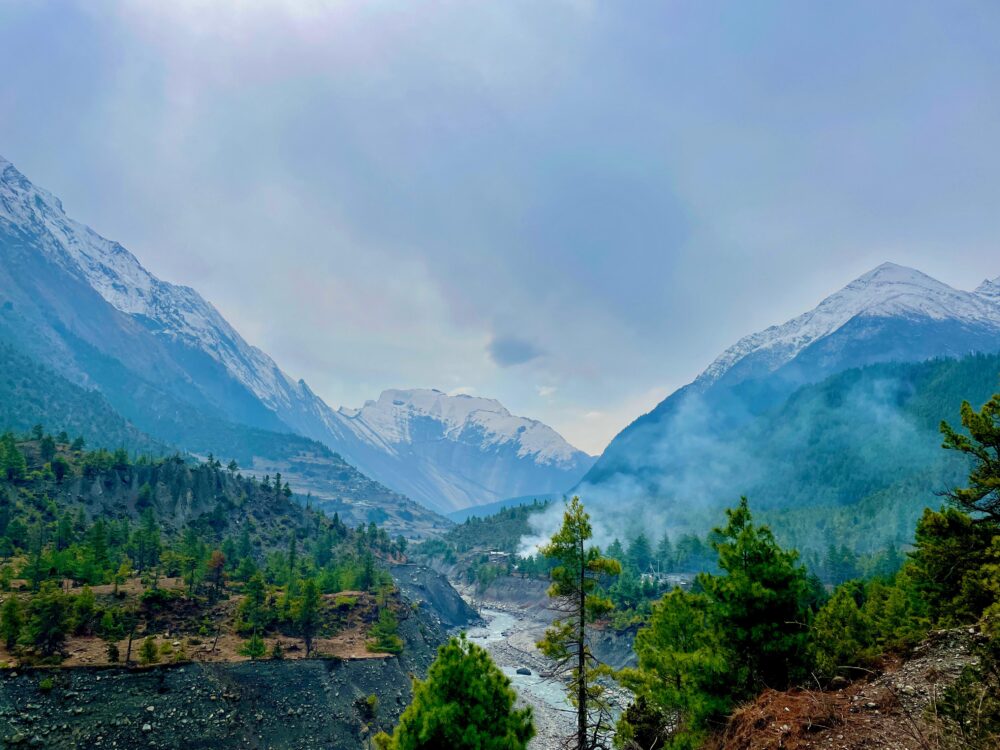
The Annapurna Circuit with Tilicho Lake Trek is one of Nepal’s most rewarding journeys, blending high mountain adventure with a deep cultural experience. Starting from the lowlands, the trail follows the Marsyangdi River valley through terraced fields and forests filled with rhododendrons. As you ascend, the air grows thinner and the scenery transforms; green hills give way to alpine meadows, rugged cliffs, and glacial streams. Villages such as Chame, Pisang, and Manang greet you with fluttering prayer flags, stone-paved streets, and Buddhist monasteries that preserve centuries-old traditions.
After acclimatizing in Manang, the path leads to Tilicho Lake, a sacred sanctuary for both Hindus and Buddhists, believed to be blessed by the gods. Standing here is an emotional moment, a reminder of the majesty of the Himalayas and the spiritual energy they hold.
From Tilicho, the trail rejoins the classic Annapurna Circuit and climbs toward Yak Kharka, Thorong Phedi, and finally the legendary Thorong La Pass, the crown jewel of the trek. Crossing this pass is both a challenge and a triumph, rewarding trekkers with sweeping views of the Annapurna and Mustang regions. The descent leads to Muktinath, one of Nepal’s holiest pilgrimage sites, where 108 sacred water taps symbolize purification and spiritual cleansing. From there, the trail continues through the dramatic Kali Gandaki Gorge, the apple orchards of Marpha, and the vibrant market town of Jomsom before concluding with either a short flight or an overland journey by bus/jeep to Pokhara.
The Annapurna Circuit with Tilicho Lake Trek is not just about reaching a destination; it is about embracing every step of the journey. It is about the people you meet along the way, the peaceful silence of the mountains, and the profound sense of fulfillment that comes from walking ancient trails that have connected cultures for generations.
Crafted with care, flexibility, and your adventure spirit in mind.
At Dream Paradise Tours & Treks, we understand that every traveler is unique. That is why our 14-day Annapurna Circuit with Tilicho Lake Trek itinerary for 2026 and 2027 is designed with flexibility in mind. Whether you are looking for a slower pace to soak in village life, extra acclimatization days for safety, or side trips to hidden monasteries and viewpoints, we adjust the journey according to your needs.
A typical journey begins with a scenic drive from Kathmandu into the foothills, gradually gaining altitude as you trek through Lamjung and Manang. Days are carefully structured for both walking and resting, ensuring your body adapts well to the changing altitude. Tilicho Lake is reached after a thrilling hike from Siri Kharka, and your night at Tilicho Base Camp will be one of the highlights of the trek. From there, the route continues to Thorong La Pass before descending into Mustang’s desert landscapes. Nights are spent in cozy teahouses, sharing stories around the fireplace with fellow trekkers from all over the world.
Whether you are traveling in spring when rhododendrons bloom, or in autumn when the skies are crystal clear, our itineraries ensure you capture the Annapurna region at its best. If you prefer shorter options, we can also arrange a 10-day short Annapurna Circuit trek or combine the trek with other adventures like Poon Hill, Annapurna Base Camp, or Upper Mustang.
Your adventure starts with a conversation.
If you wish to discuss the Annapurna Circuit with Tilicho Lake Trek itinerary and cost, feel free to contact or WhatsApp us anytime. We are available 24/7 to answer your questions, provide honest advice, and design a trek that suits your fitness, time, and interests. Our team has years of experience guiding trekkers in the Annapurna region, and we believe in creating journeys that are safe, memorable, and deeply meaningful.
Don’t just dream of the Himalayas-walk among them.
The Annapurna Circuit with Tilicho Lake Trek is calling you. Whether it’s the challenge of Thorong La, the serenity of Tilicho Lake, or the cultural richness of Manang and Mustang, this trek will give you moments that change how you see the world. Spots for 2026 and 2027 are already open, and we invite you to secure your place on this unforgettable journey.
With Dream Paradise Tours & Treks, you are not just booking a trek; you are joining a family of explorers who believe in making every step meaningful. From the moment we welcome you at the airport to the time you bid farewell to the mountains, we ensure comfort, care, and a once-in-a-lifetime adventure.
Start your story today. The mountains are waiting.
Your Himalayan adventure begins the moment you land at Tribhuvan International Airport in Kathmandu, the vibrant city of temples and culture and the gateway to the majestic Himalayas. A friendly representative from Dream Paradise will warmly greet you upon arrival. You’ll then be transferred to your hotel, where you can relax and take in the excitement of the journey ahead. In the evening, join us for a brief orientation to help you prepare for your unforgettable trek into Nepal’s mountain paradise.


We will take a regular bus from Kathmandu to Besisahar, enjoying the scenic journey through lush landscapes and charming villages. From Besisahar, we will share a jeep ride to Dharapani, where the adventure truly begins.
From Besisahar, we follow the eastern bank of the Marsyangdi River, trekking towards our destination. Along the way, we will experience the warm hospitality of a traditional Gurung village and take in breathtaking views of Himalchuli and Ngadi Chuli, majestic peaks that dominate the skyline.
At Dharapani, we will complete the necessary formalities by registering our IDs and hiking permits at the police checkpoint.
Overnight stay at a cozy teahouse, where you can relax and immerse yourself in the serene mountain atmosphere.
Today, you will journey through an alpine region where the temperature steadily declines as you ascend. The trek takes you through forests filled with pine, fir, oak, and maple trees alongside the Marsyangdi River, offering breathtaking vistas of Lamjung Himal, Annapurna II, and Annapurna IV (7,525m).
Continuing onward, you will traverse the enchanting villages of Timang, Thanchowk, and Koto, where the Naar-Phu trail connects the Annapurna Circuit with the Tilicho Lake and Poonhill trekking routes. Finally, you’ll arrive at Chame, the district headquarters of Manang. The entrance to the village is marked by a grand mani wall adorned with prayer wheels, welcoming travelers with a touch of spirituality.
Chame offers a wide range of amenities, including comfortable lodging, internet cafés, outdoor gear shops, banks, communication centers, and medical facilities, making it an ideal stop for trekkers.
The Chame route winds through beautiful pine and rhododendron forests in a small, steep valley. After crossing a suspension bridge over the Marsyangdi River, the trail offers stunning views of the surrounding mountainous terrain, including spectacular vistas of Annapurna, Pisang Peak, Himalchuli, and Ngadi Chuli. Gradually, we make our way to Dhukur Pokhara. A short walk further leads us to Pisang, a charming village that offers a glimpse into traditional village life, ancient monasteries, and breathtaking views of the surrounding mountains. Overnight stay in a cozy teahouse.
Today offers two distinct trekking routes to Manang, allowing you to tailor the journey to your preference and energy level.
As you climb higher, the air turns crisper and drier, reminding you of your journey deep into the Himalayan highlands. The trail is dotted with sacred Tibetan Buddhist landmarks such as Chortens, Mani walls, and fluttering prayer flags, adding spiritual depth to your adventure.
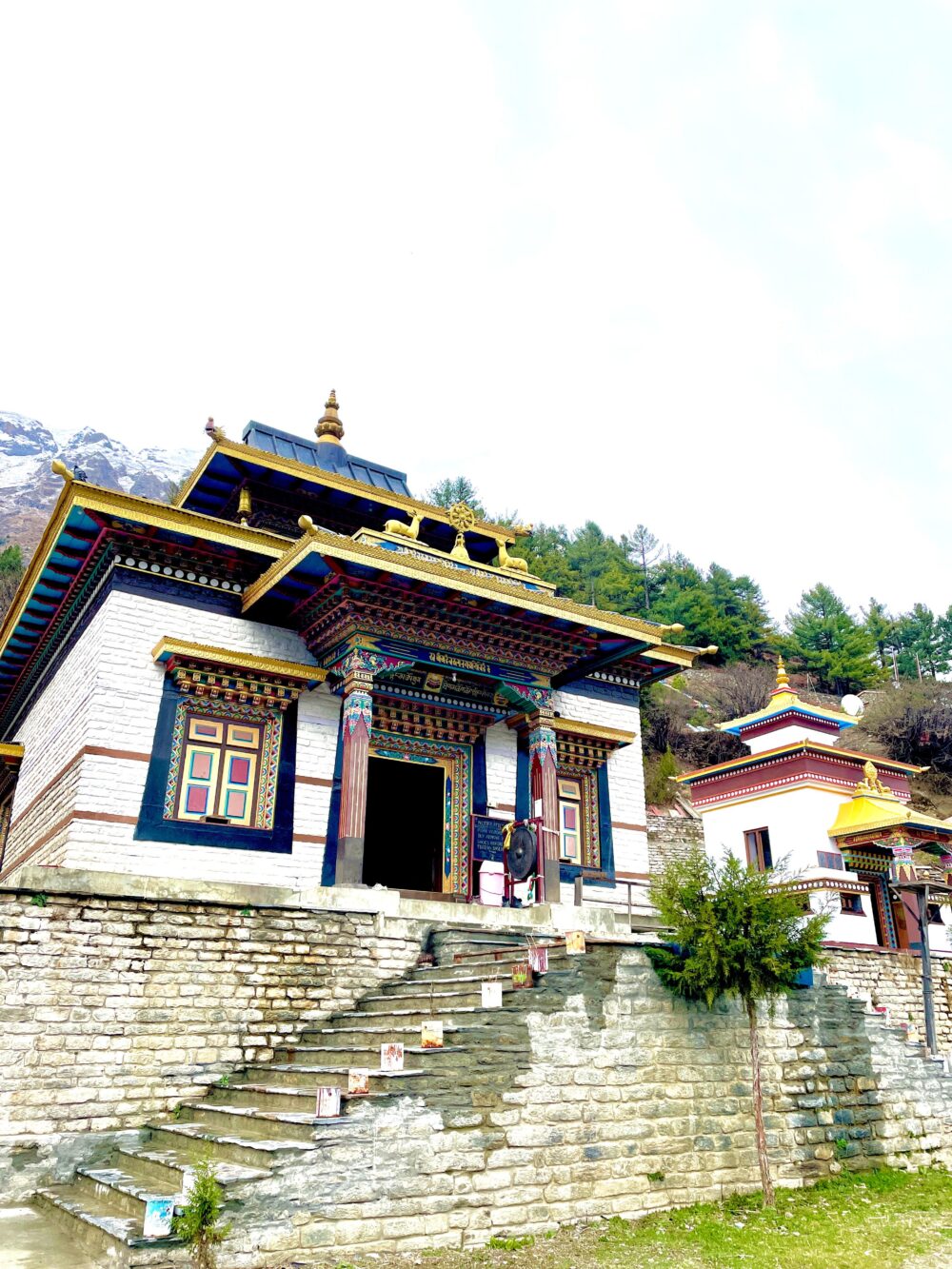
Your journey merges near the historic village of Braga (Bragha), home to the 500-year-old Barge Monastery, the largest and oldest monastery in the Manang region, rich in Buddhist art, culture, and ancient heritage.
Eventually, both trails lead you to Manang, a dramatic Himalayan town known for its Tibetan-influenced architecture, with stone-built homes stacked upon each other. It’s the perfect place to acclimatize, rest, and immerse yourself in the local mountain culture. The town also offers cafes, bakeries, and a Himalayan Rescue Association center with useful acclimatization talks.
Today is more than just a rest day it’s a vital pause for acclimatization in the beautiful Himalayan village of Manang. As we gain altitude, allowing our bodies time to adapt is essential for a safe and enjoyable trek. Medical experts strongly recommend spending at least a day acclimatizing before ascending to higher elevations.
Resting in Manang doesn’t mean staying still, light activity is essential for proper acclimatization at high altitude. This picturesque Himalayan village offers the perfect setting to adjust while experiencing its natural beauty and spiritual charm.
Today, you have three rewarding options to choose from:
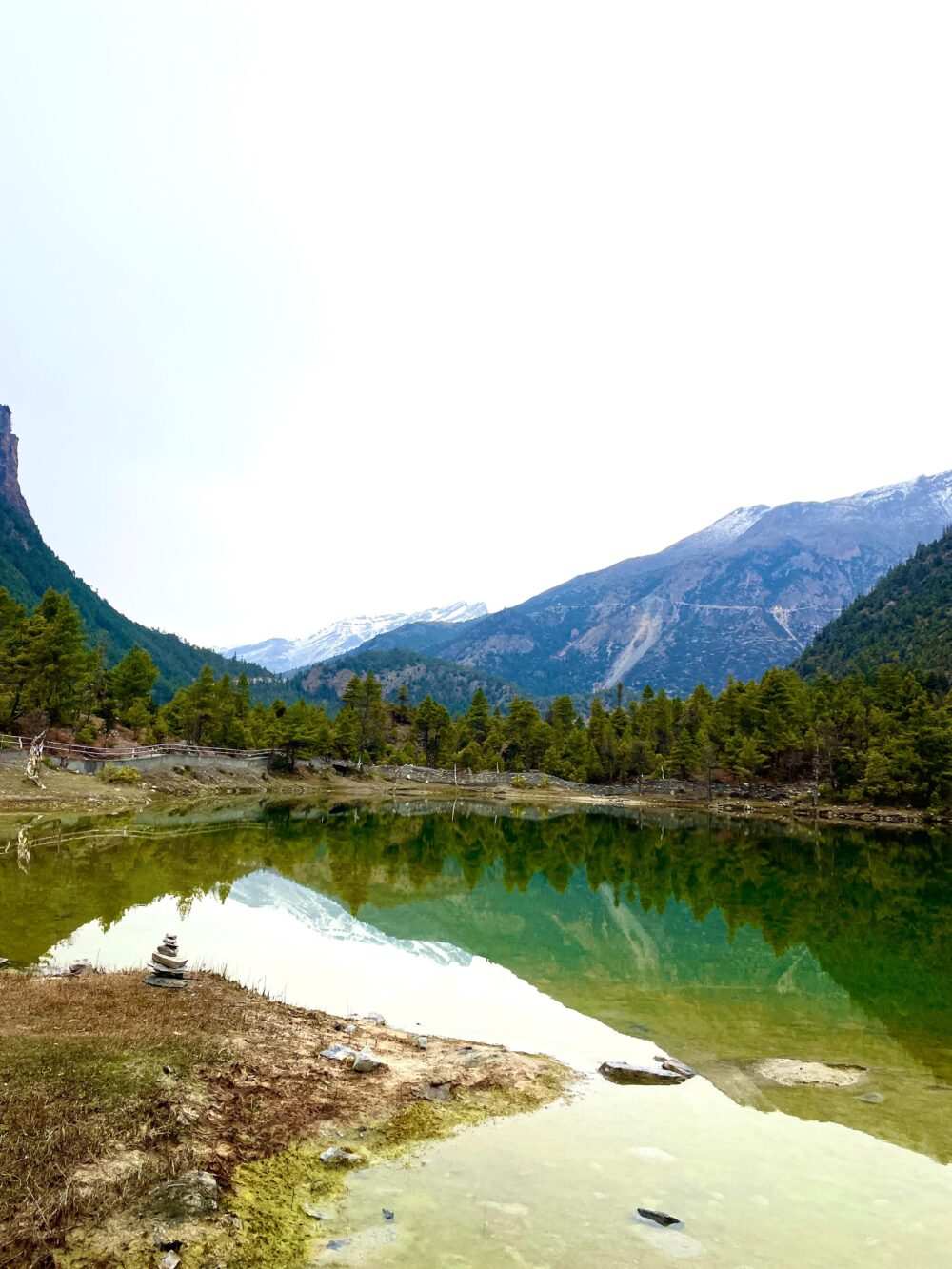
Take a short hike to Gangapurna Lake Viewpoint, where the turquoise waters reflect stunning views of Mt. Gangapurna, Khangsar Kang, the Glacial Dome, and the Annapurna range.
For a more adventurous option, hike to Ice Lake (Kicho Tal), a challenging alpine journey offering breathtaking high-altitude scenery.
Explore the sacred (hidden) Milarepa Cave, hidden across the river near Braga, steeped in Tibetan Buddhist legend and set against a dramatic mountain backdrop.
Whether you choose a peaceful walk, a challenging climb, or a spiritual exploration, Manang offers the perfect blend of serenity and adventure, an ideal place to recharge before continuing your journey deeper into the Himalayas.
Today, we leave the picturesque village of Manang and begin our journey toward Tilicho Base Camp (4,150m), the gateway to Tilicho Lake, one of the highest lakes in the world. The trail takes us through a spectacular mix of culture and nature, offering an unforgettable Himalayan experience.
Our trek begins with a gradual ascent to Khangsar Village (3,734m), a traditional Tibetan settlement known for its stone-built houses and authentic mountain lifestyle. From here, the path continues through serene coniferous forests, offering stunning views of Kang Guru Peak (6,981m) before reaching Shiri Kharka, a tranquil rest stop with panoramic sights of Gungang Himal and Mt. Chulu.
As we push forward, the trail narrows and crosses a landslide-prone zone, where extra caution is essential. However, the dramatic landscapes ahead make the effort worthwhile, Tilicho Peak, striking rock formations, and vast views of the Annapurna massif dominate the skyline.
We finally reach Tilicho Base Camp, nestled beneath towering cliffs and surrounded by raw alpine beauty. It’s a peaceful and remote spot, perfect for rest and preparation before tomorrow’s ascent to the legendary Tilicho Lake.
Today is one of the most anticipated highlights of the Annapurna Circuit Trek, the journey to Tilicho Lake (4,919m), a sacred and scenic alpine lake nestled beneath the towering Tilicho Peak (7,134m). Renowned as one of the highest lakes in the world, Tilicho offers both spiritual significance and breathtaking natural beauty.
We begin our ascent early in the morning from Tilicho Base Camp to avoid strong afternoon winds. The trail is steep and challenging, taking approximately 3 to 4 hours to reach the lake. Along the way, keep an eye out for yaks and mountain deer grazing on the rugged high-altitude slopes.
Upon arrival, Tilicho Lake’s 4.8 square kilometers of shimmering water unfolds before you, set against the dramatic backdrop of Tilicho Himal, Nilgiri Himal, and the Annapurna range. The lake’s ever-changing shades of blue, depending on the light, create a surreal and unforgettable scene.
Tilicho Lake holds deep spiritual significance in Hindu mythology, as it is mentioned in the epic Ramayan, and was famously referred to as “The Great Ice Lake” by a French expedition team. After soaking in the majestic views and capturing memorable photos, we carefully descend and return to Shiri Kharka for a well-earned rest.
After a restful night in Siri Kharka, we continue our Annapurna Circuit Trek toward the tranquil highland settlement of Yak Kharka (4,050m). The trail initially retraces our steps to Khangsar Village, a traditional Himalayan village that feels timeless and serene. Along the way, we pass Tare Gumba, an ancient Buddhist monastery believed to be over 1,000 years old, revered by locals for its spiritual significance.
Khangsar often appears nearly deserted, except during local festivals when herders return to the village. From here, we cross a seasonal bridge over the Thorang Khola River and ascend toward a wide, windswept plateau offering panoramic views of the surrounding peaks.
As we approach Yak Kharka, the landscape becomes more open and dramatic, revealing sweeping vistas of the Annapurna range. This peaceful high-altitude pastureland is a popular acclimatization stop for trekkers, providing a calm and scenic place to rest before tackling higher elevations.
After a hearty breakfast in Yak Kharka, we continue our Annapurna Circuit journey with the Tilicho Lake extension, heading toward Thorong Phedi (4,540m), the base camp for the iconic Thorong La Pass. Today’s trail passes through Ledar, the last inhabited stop before the high pass, and ascends gradually along a windswept alpine ridge with breathtaking views of Annapurna II, Gangapurna, Tobuche, and the Chulu Peaks.
The trail then descends to the Marsyangdi River, where a wooden bridge takes us across the valley. Nearby, a small teahouse offers a perfect spot to rest, hydrate, and enjoy light snacks. After the break, the path climbs again, winding through rugged terrain and narrow mountain trails before arriving at Thorong Phedi.
Once at Phedi, you can either rest and conserve energy at the teahouse or take an optional acclimatization hike to High Camp for enhanced views and better preparation for the next day’s challenge.
This is a crucial day for elevation gain and acclimatization, so take it slow, stay hydrated, and soak in the dramatic high-altitude landscapes that define this unforgettable section of the trek.
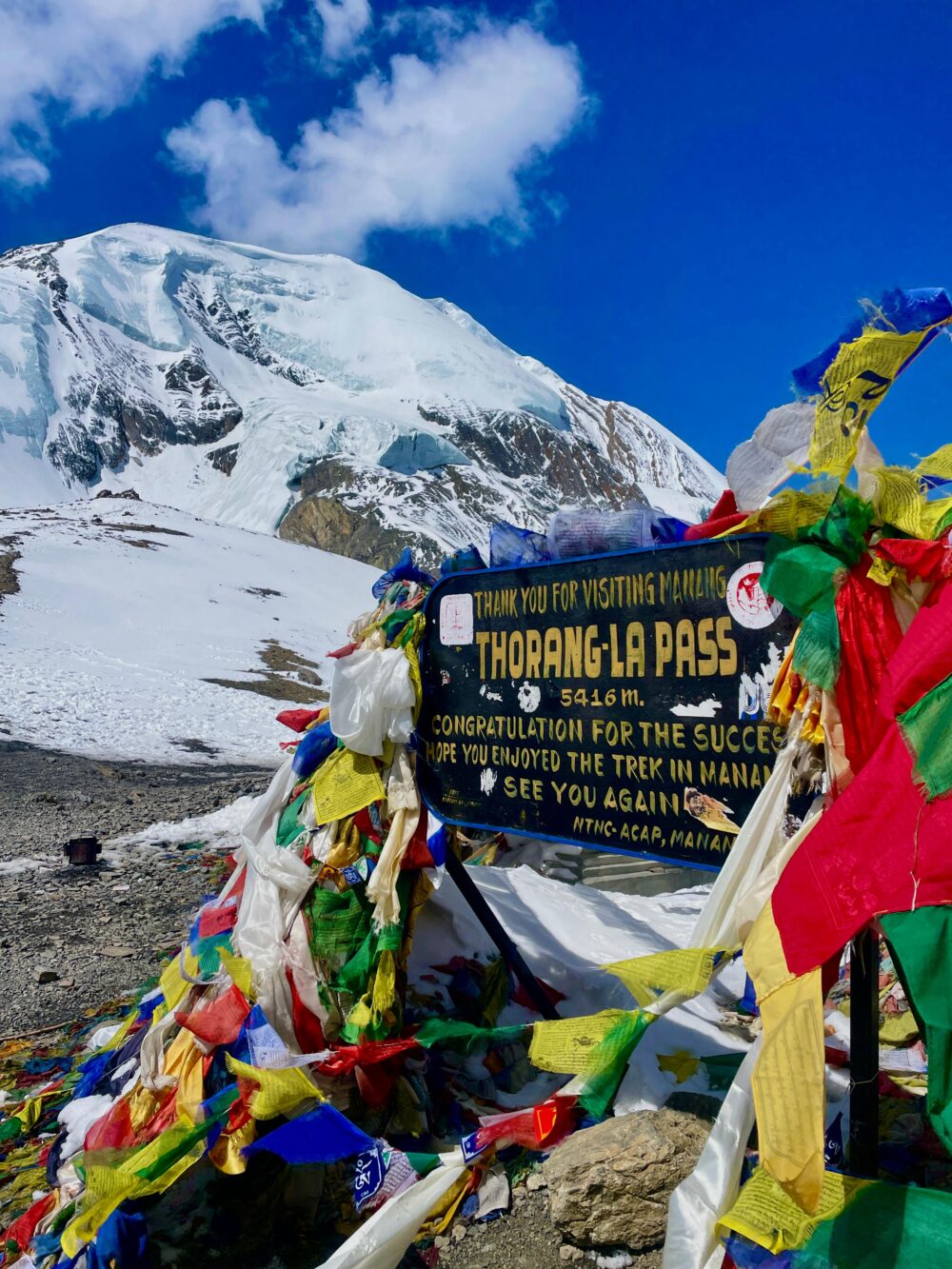
Today marks the most challenging and rewarding day of your Annapurna Circuit with Tilicho Lake Trek as you cross the legendary Thorong La Pass (5,416m), one of the highest trekking passes in the world.
To beat the strong afternoon winds, we start our ascent early, around 4:00 AM, from either Thorong Phedi or High Camp, under a canopy of stars and crisp Himalayan air. The climb is steep and demanding, taking approximately 3 to 4 hours, but the panoramic views from the summit make every step worthwhile.
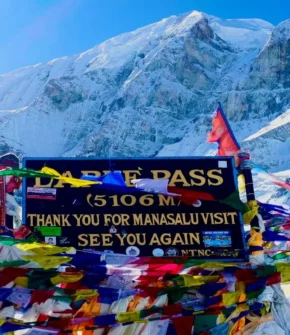
At the top of Thorong La Pass, you’ll be treated to breathtaking 360-degree vistas of iconic Nepalese peaks including the Annapurna Range, Dhaulagiri, Gangapurna, Khatungkang (6,484m), and Thorong Peak. Don’t forget to capture memorable photos at the famous Thorong La signboard.
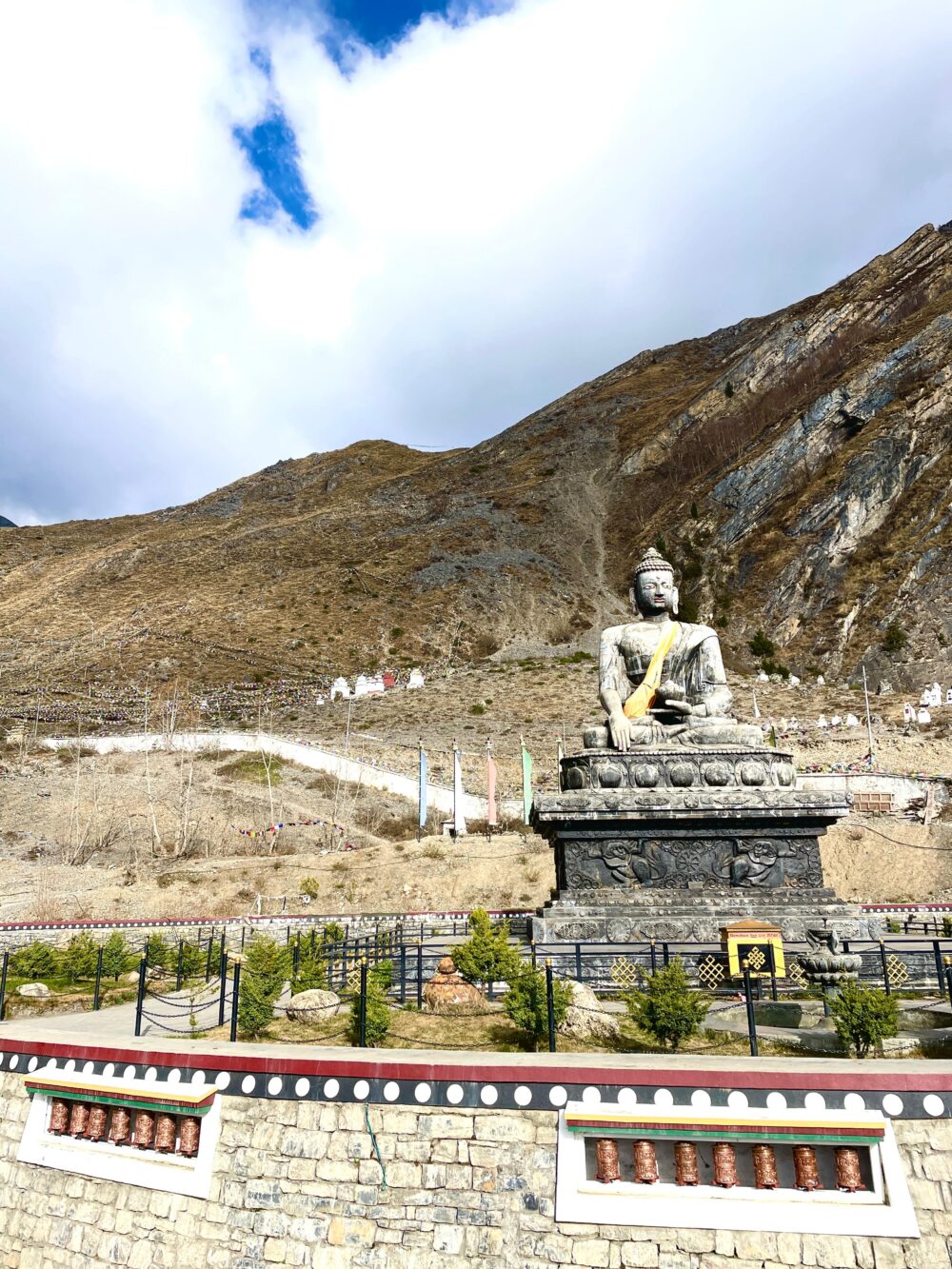
After soaking in the spectacular scenery, the trail descends over 1,600 meters into the mystical Mustang region, leading to the sacred town of Muktinath (3,760m). Muktinath is a revered pilgrimage site for both Hindus and Buddhists, famous for its 108 holy water spouts believed to cleanse sins and the eternal flame that has been burning for over 2,000 years.
This spiritually rich and tranquil destination offers the perfect reward and peaceful conclusion to an epic day of trekking in the heart of the Himalayas.
Scenic Return to Pokhara – From Muktinath via Kali Gandaki Valley
After completing your unforgettable adventure on the Annapurna Circuit with Tilicho Lake Trek, it’s time to unwind as we begin our scenic overland journey back to Pokhara, Nepal’s beloved lakeside city.
The return drive follows the spectacular Kali Gandaki Valley, offering incredible views of the world’s deepest gorge, traditional mountain villages, the arid beauty of Upper Mustang, and lush terraced hillsides. The journey typically takes 8 to 10 hours by shared or private jeep, depending on road and weather conditions.
For those preferring a faster and more comfortable option, a short domestic flight from Jomsom to Pokhara is also available. Our team will handle all transportation arrangements based on your preference, ensuring a smooth and relaxing transition.
Once in Pokhara, enjoy the tranquil ambiance of Phewa Lake, explore lakeside cafés and boutiques, or indulge in a well-earned celebratory dinner, an ideal way to wrap up your epic Himalayan trek.
After completing your unforgettable Annapurna Circuit with Tilicho Lake trek, it’s time to return to Kathmandu, the vibrant capital city of Nepal. You have two comfortable travel options:
Upon arrival in Kathmandu, our team will arrange your transfer to the hotel. The rest of the day is yours to relax, refresh, or explore the city at your own pace.
This is the perfect time for some last-minute shopping in Thamel, Kathmandu’s bustling tourist hub. Explore local markets for unique, handcrafted Nepali souvenirs such as pashmina shawls, Himalayan herbal teas, silver jewelry, and traditional Thangka paintings, perfect as gifts for friends, family, and loved ones, or as meaningful keepsakes from your Nepal adventure.
As the sun sets, Thamel comes alive as a vibrant cultural hotspot, filled with cozy cafés, authentic Nepali restaurants, buzzing bars, and live music venues. Whether you prefer a quiet evening with a warm cup of traditional Nepali tea or choose to explore Kathmandu’s lively nightlife, your final night in Nepal will be truly unforgettable, a perfect ending to your Himalayan adventure.
Today marks the end of your unforgettable adventure through the majestic Himalayas. After a hearty breakfast and some final moments in Kathmandu, the Dream Paradise team will arrange your airport transfer at least three hours before your international flight, ensuring a smooth and stress-free departure.
As you journey home, take with you unforgettable memories of your Nepal trekking adventure, breathtaking Himalayan landscapes, rich cultural heritage, and the warm hospitality of the Nepali people. Whether it was the thrill of crossing high-altitude mountain passes or peaceful moments in remote Himalayan villages, your trekking experience with Dream Paradise will stay with you for a lifetime.
Thank you for choosing Dream Paradise as your trusted Nepal travel partner. We hope your Himalayan trekking adventure was truly unforgettable. We look forward to welcoming you back to Nepal for another epic journey through the majestic Himalayas. Until then, safe travels and Namaste!

If this trek is on your bucket list, the best time to go is right after the monsoon, starting in mid-September. The rains clear the skies, leaving the lowlands lush and green, while the towering white peaks shine against superb blue horizons, all without the extreme cold. Another excellent time is April, when the trail comes alive with vibrant rhododendrons in full bloom, adding color and charm to your Himalayan adventure.
Autumn Season (September–October – November): Nepal’s peak trekking season offers stable weather, crystal-clear mountain views, and a lively, festive atmosphere across the trails. With bustling tea houses and many fellow adventurers, it’s the best time to experience the Himalayas at their finest. Both spring (March–May) and autumn provide ideal conditions for breathtaking scenery, comfortable hikes, and unforgettable trekking adventures, making them the top seasons to explore Nepal’s mountains.
Winter Season (December – January – February): The skies are usually clear during this season, offering breathtaking Himalayan views, but trekkers should be prepared for very cold temperatures and possible snowfall. Some trails may be closed or covered in snow, so it’s important to check conditions with your trip planner before departure. With the right preparation, this season offers rewarding adventures in a stunning winter landscape.
Spring (March – April – May): Nepal’s pre-monsoon season brings warm days, clear skies, and vibrant natural beauty, making it one of the best times to trek in the Himalayas. Valleys come alive with blooming rhododendrons, colorful flowers, and fresh greenery, while higher altitudes offer crisp mornings and cool nights. With sunny weather, breathtaking mountain views, and pleasant trekking conditions, this season is perfect for adventurers seeking both comfort and natural splendor on the trails.
Summer Season (June–July – August): The monsoon or summer season is the least popular time for trekking in Nepal due to heavy downpours and an increased risk of leeches, especially in forested areas along trails like Mardi Himal. Trekkers are advised to wear long trousers tucked in and carry leech or mosquito repellent spray for protection. Despite the challenges, this season can be rewarding for alpine flower researchers, as the landscapes bloom with diverse flora unique to the monsoon months.
Note: The best time to trek to Annapurna Circuit Trek is in spring (March to May) and autumn (September to November). These seasons offer stable weather, clear mountain views, and pleasant temperatures, creating perfect conditions for scenic hikes and breathtaking landscapes. With blooming rhododendrons in spring and crisp skies in autumn, both seasons ensure a comfortable journey and an unforgettable Himalayan adventure.
Start your trekking day with a hearty breakfast served at the teahouses. You’ll find a mix of local and international options to fuel your journey. Popular choices include Tibetan bread, chapati, porridge, muesli, and pancakes. You can also enjoy eggs cooked to your liking-boiled, scrambled, or fried- as well as French toast, cornflakes, and hash browns. To warm up in the chilly morning air, hot beverages like tea, coffee, and hot chocolate are readily available.
Lunch is usually enjoyed at teahouses along the trail as you move from one destination to the next. Meals are freshly prepared and offer a variety of tastes. You can choose from traditional Nepali dal bhat (rice and lentils), thukpa (Tibetan noodle soup), and momos (dumplings) or go for international dishes like pasta, macaroni, spring rolls, sandwiches, and burgers. Some places even serve yak steak and Sherpa stew, giving you a taste of the local mountain cuisine.
After a day of trekking, dinner is served at the teahouse where you spend the night. The menus are similar to lunch but offer more variety and comfort food to help you refuel and relax. Common dinner options include dal bhat, thukpa, momos, pasta, chapati, curry with rice, vegetable dishes, soups, and even pizza. You’ll also find warm drinks, desserts, and hearty meals like Sherpa stew and yak steak. It’s the perfect way to end the day and recharge for the next leg of your adventure.
The Annapurna Circuit Trek is one of the most popular trekking routes in Nepal, and you won’t need to worry about carrying tents. The trail is well-equipped with a network of teahouses and trekking lodges that offer basic but comfortable accommodation. During your 14-day journey, you’ll stay at the best available teahouses selected by your trekking company to ensure a clean and cozy experience after a long day of hiking.
Most rooms are based on twin-sharing and feature simple amenities such as wooden beds, clean mattresses, pillows, warm blankets, and,in some places, attached bathrooms. While attached bathrooms can be found at lower elevations, they may not be available in higher-altitude villages. However, all accommodations are clean, safe, and designed to meet the needs of trekkers.
If you prefer more privacy, single rooms can be requested at most stops along the route, especially at lower altitudes and in cities like Kathmandu and Pokhara. However, it might be difficult to find single rooms in higher locations like Yak Kharka and Thorang Phedi due to limited space and high demand during peak trekking seasons. Regardless, your stay in the Himalayas will be a unique and memorable part of your adventure.
The Annapurna Circuit Trek is not just a trek, it is a life-changing journey through some of the most breathtaking landscapes on Earth. Known as one of the world’s greatest long-distance treks, it demands more than just enthusiasm; trekkers must be both physically fit and mentally prepared to conquer its challenges. The trail takes you across diverse terrains, from lush valleys and charming villages to harsh, rocky, and steep mountain paths. To prepare, many adventurers begin with short hikes in their home country, gradually increasing distance and altitude before arriving in Nepal.
What truly sets the Annapurna Circuit apart is its extreme elevation. The trek reaches its climax at Thorong La Pass (5,416 m / 17,769 ft), the highest point of the journey and one of the most formidable trekking passes in the Himalayas. At this altitude, thin air, freezing winds, and heavy snowfall test your endurance like never before. In fact, the pass is closed for much of the year due to dangerous weather conditions. Adding to the challenge, trekkers often stay above 3,000 meters for several days, which increases the risk of altitude sickness and requires careful acclimatization.
Despite its difficulty, the Annapurna Circuit Trek remains an achievable dream. Unlike many other treks, the difficulty cannot be “lowered”, you cannot simply skip the most challenging sections without missing the very essence of the adventure. However, with the right mindset, preparation, and pacing, anyone, from determined beginners to seasoned mountaineers, can conquer it. Hiring a guide or porter not only provides support but also enriches the cultural experience, as locals share stories, traditions, and warm hospitality along the way.
The Annapurna Circuit is not just a trek; it is a test of willpower, resilience, and spirit. Every step pushes you beyond your limits, and every view rewards you with beauty beyond imagination. Standing at Thorong La Pass, surrounded by towering Himalayan giants, you realize that the struggle was worth it, this is not just a journey through the mountains, but a journey within yourself. For those seeking adventure, challenge, and transformation, the Annapurna Circuit offers one of the most rewarding trekking experiences in Nepal and the entire world.
Travel insurance is essential for the 14-day Annapurna Circuit Trek, which reaches an altitude of 45416 meters and involves potential risks like altitude sickness or landslides. All trekkers must provide Dream Paradise with proof of comprehensive travel insurance before starting the trek. The policy should cover medical treatment, emergency repatriation, and high-altitude helicopter rescue. In case of emergencies, we will use your insurance details to ensure a quick and safe evacuation. Please ensure your policy covers all medical and rescue costs up to the highest point of the trek. Recommended providers include World Nomads, IMG Global, and SafetyWing.
Altitude sickness, also known as acute mountain sickness, can occur during the Annapurna Circuit Trek as the oxygen level drops above 3,000 meters. Common symptoms include headache, nausea, dizziness, fatigue, shortness of breath, and loss of appetite. To prevent altitude sickness during the trek, drink plenty of water, avoid alcohol, and eat nutritious meals. Walk slowly and give your body time to adjust by acclimatizing properly before going higher. Carry Diamox, a recommended medicine for altitude sickness. If symptoms appear, rest or descend immediately. Staying clean and maintaining personal hygiene can also help reduce the risk of getting sick at high altitudes.
For a successful Annapurna Circuit Trek, packing the right gear is essential. Make sure to bring a quality sleeping bag, sturdy high-mountain trekking boots, trekking poles, a duffel bag, and warm, layered clothing suited for changing weather. Don’t forget thermal socks, gloves, a hat, UV-protection sunglasses, and sunscreen. Lightweight, comfortable clothing is ideal for high-altitude trekking. Important documents like permits, ID, and insurance should be kept handy. Additional useful items include a headlamp, refillable water bottles, water purification tablets, basic first aid, energy snacks, toiletries, and a quick-dry towel. Pack smart to enjoy a safe and comfortable Himalayan adventure.
Enhance your Annapurna Circuit Trek with Dream Paradise through a range of exclusive and practical add-ons that make your journey more comfortable and memorable.
Porter Service—USD 20 per day: Let our experienced porters carry your bags (up to 20 kg, shared between two trekkers) so you can trek light and enjoy the views.
Jomsom to Pokhara Flight—USD 160: Save time with a scenic flight from Jomsom to Pokhara, including airport transfers.
Pokhara to Kathmandu Flight—USD 105: Enjoy a quick and easy return flight to Kathmandu, with transportation to the airport included.
Extra Night in Kathmandu or Pokhara (Double Room)—USD 40: Extend your stay with a comfortable double room for more time to explore.
Extra Night in Kathmandu or Pokhara (Single Room) —USD 35: Need solo space? Add a night in a single room to relax or continue your adventure.
These add-ons are designed to give you flexibility, comfort, and convenience on your Himalayan journey. Make your Annapurna Circuit Trek truly unforgettable!
The Annapurna Circuit Trek can be undertaken by beginners who are mentally and physically prepared for high-altitude trekking. However, it’s recommended to start with lower-altitude treks like Ghorepani Poon Hill, Annapurna Base Camp, Mardi Himal or other shorter treks to build experience. The trek involves long days and crossing the Thorong La Pass (5,416m), but with proper acclimatization, pacing, and guidance from experienced local guides, even first-time trekkers can safely enjoy this epic Himalayan adventure, taking in breathtaking landscapes and rich cultural experiences.
Yes, the Annapurna Circuit Trek is the same as the Annapurna Round Trek. Both names refer to one of Nepal’s most popular and adventurous trekking routes that circles the Annapurna Massif. This trek is also commonly known by other names such as the Thorong La Pass Trek, Tilicho Lake Trek with Annapurna Circuit, and simply the Annapurna Circuit Trek.
Despite the different names, the essence of the journey remains the same, an unforgettable adventure around the Annapurna region. The trek offers diverse landscapes, from lush valleys and alpine forests to arid high-altitude deserts, along with stunning views of Annapurna, Dhaulagiri, and Machhapuchhre (Fishtail). Crossing the famous Thorong La Pass at 5,416 meters is the highlight, making it both challenging and rewarding.
No matter what name you choose, Annapurna Circuit, Annapurna Round, or Thorong La Pass Trek, it all represents the same breathtaking Himalayan journey.
Best Time to Trek: The ideal seasons for trekking in Nepal are spring (March to May) and autumn (September to November). During spring, the trails come alive with blooming rhododendron flowers, while autumn offers crystal-clear skies, mild temperatures, and breathtaking views of the Himalayas. These months provide the best weather conditions and stunning mountain panoramas, perfect for a memorable trekking adventure.
The Annapurna Circuit Trek’s highest altitude of 5,416 meters at Thorong La Pass makes it one of Nepal’s most challenging and rewarding high-altitude treks. Proper preparation, gradual acclimatization, and respect for the mountain environment ensure a safe and memorable adventure through the stunning Annapurna region.
The Annapurna Conservation Area Permit (ACAP) is mandatory for all trekkers on the Annapurna Circuit Trek. This permit helps support the conservation of the Annapurna region, its natural beauty, and local communities. Without an ACAP, trekkers are not allowed to enter the protected area, making it an essential requirement for the Annapurna Circuit Trek.
Crossing Thorong La Pass (5,416m) on the Annapurna Circuit Trek is considered one of the most challenging parts of the trek, but it is not a technical climb. The difficulty comes mainly from the high altitude, long distance, and unpredictable weather conditions. Trekkers need good physical fitness and stamina to endure the strenuous hike, as the Annapurna Circuit is among the longest trekking routes in Nepal.
While it is not mandatory to hire a guide for the Annapurna Circuit Trek, it is highly recommended, especially for first-time trekkers or those with limited trekking experience. A licensed local guide ensures your safety, helps navigate the trails, and provides valuable insights into the region’s culture, traditions, and natural environment. Hiring a guide also supports the local economy, making your trek both safer and more meaningful.
Experienced trekkers who are confident in high-altitude hiking can choose to trek independently. However, trekking with a knowledgeable guide significantly reduces risks such as altitude sickness, injuries, or getting lost, while enhancing your journey with expert advice, hidden gems, and cultural insights along the trail.
Though hiring a guide may slightly increase your budget, your safety and peace of mind are priceless. At Dream Paradise, our government-licensed, experienced guides are committed to making your Annapurna trek safe, smooth, and unforgettable. With a guide by your side, you can fully embrace the breathtaking landscapes, rich culture, and adventure of the Annapurna region with confidence and ease.
Yes, it is essential to carry your passport and trekking permits throughout the Annapurna Circuit Trek. There are multiple checkpoints along the route where officials will check your ACAP (Annapurna Conservation Area Permit), and identification. Keeping these documents with you ensures smooth access to all regions, avoids fines, and helps maintain safety and regulation compliance during your trek.
The Annapurna Circuit Trek is a longer and more challenging high-altitude journey that circles the entire Annapurna range, crossing the famous Thorong La Pass at 5,416 meters. This trek not only offers stunning mountain landscapes but also immerses trekkers in the rich cultural diversity of the region, passing through multi-ethnic villages inhabited by Gurung, Magar, Tibetan, and Thakali communities. It’s a perfect blend of rugged wilderness and vibrant local traditions, making it a truly holistic Himalayan adventure.
In contrast, the Annapurna Base Camp (ABC) Trek, also known as the Annapurna Sanctuary Trek, takes you directly to the foothills of the world’s 10th tallest mountain, Mt. Annapurna, providing breathtaking close-up views of Annapurna I and Machhapuchhre (Fishtail). This trek is ideal for those seeking an immersive mountain experience focused on spectacular landscapes.
For those who want the best of both worlds, a customized trek combining the Annapurna Circuit and Annapurna Base Camp can provide an unforgettable Himalayan adventure, blending high-altitude trekking, close-up mountain views, and cultural exploration.
The Annapurna Circuit Trek, also called the Annapurna Round Trek, is a classic Himalayan adventure opened in 1977. Trek through breathtaking landscapes, cross the legendary Thorong La Pass, and immerse yourself in the rich culture of Gurung, Magar, Tibetan, and Thakali villages, all with expert guidance from Dream Paradise.
Yes, altitude sickness can be a concern on the Annapurna Circuit Trek, especially when crossing Thorong La Pass (5,416m). Common symptoms include headache, nausea, fatigue, and dizziness. To prevent altitude sickness, trek gradually, stay well-hydrated, take rest days for acclimatization, and follow your Dream Paradise guide’s advice. Most trekkers enjoy a safe and rewarding journey with proper preparation.




 Write a Review