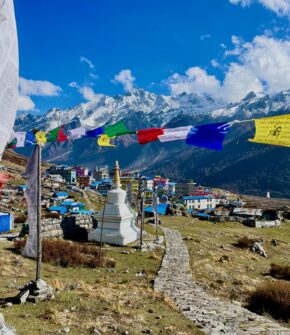
When to trek to Annapurna Base Camp, or what are the best months (Season) to visit?
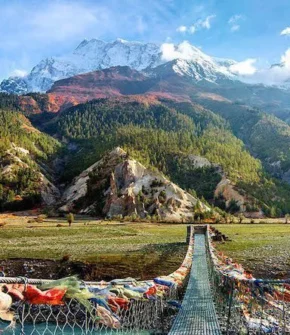
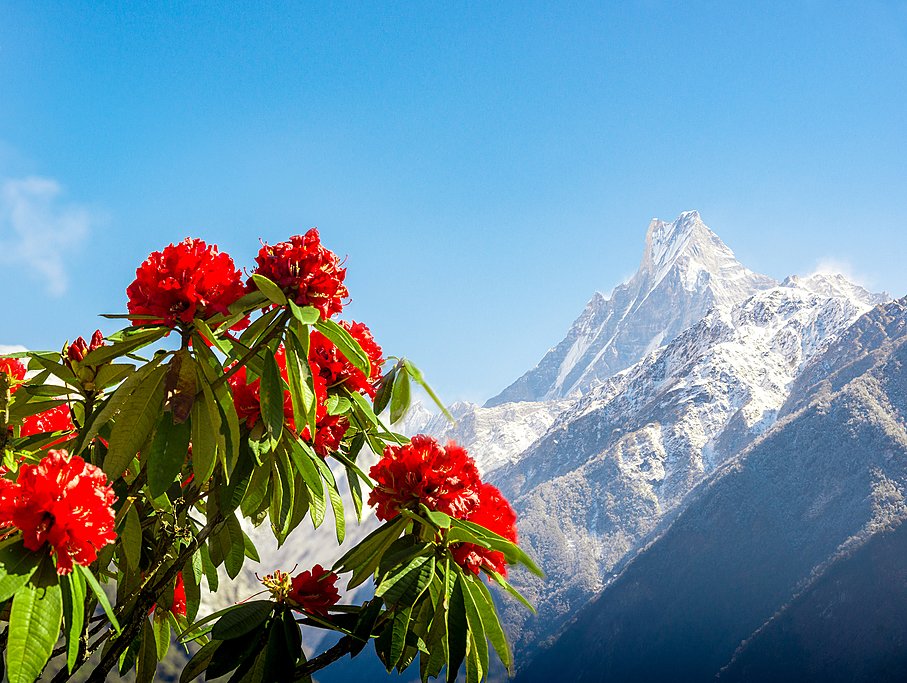
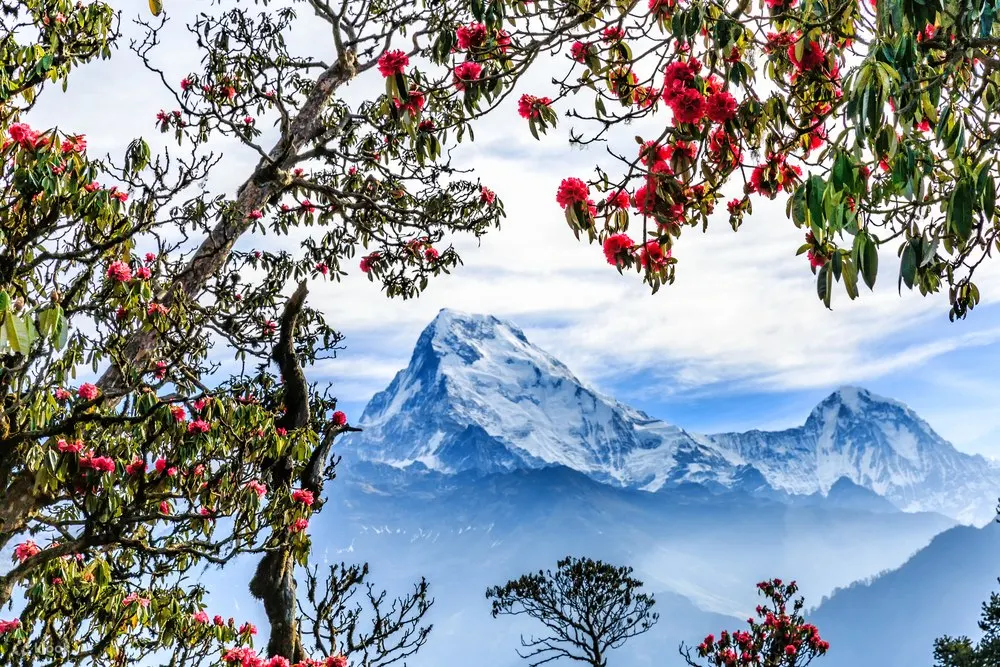
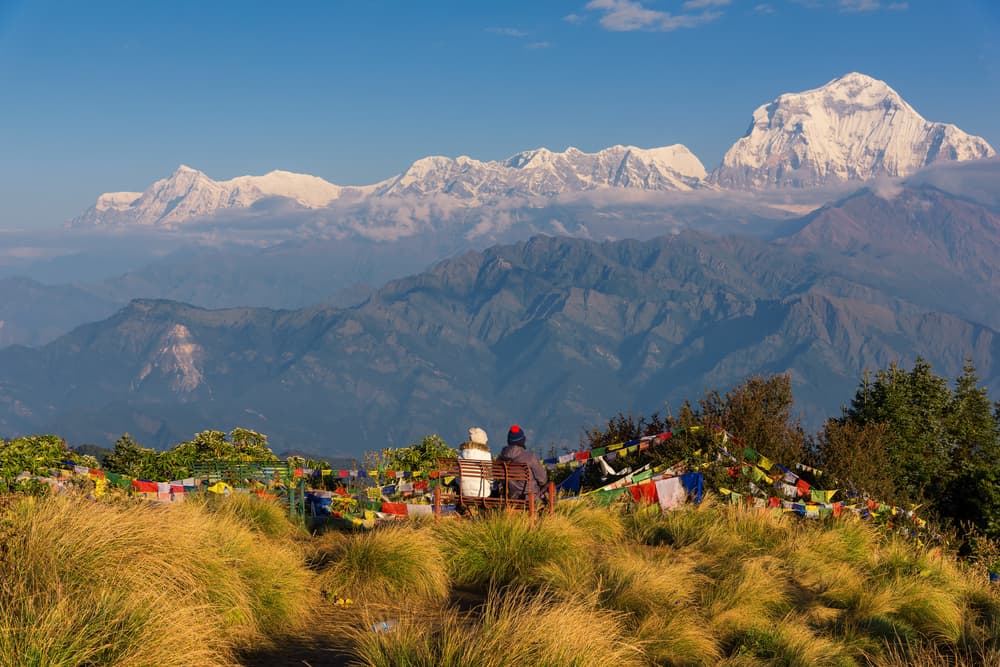
If this trek is on your bucket list, the best time to go is right after the monsoon, starting in mid-September. The rains clear the skies, leaving the lowlands lush and green, while the towering white peaks shine against superb blue horizons, all without the extreme cold. Another excellent time is April, when the trail comes alive with vibrant rhododendrons in full bloom, adding color and charm to your Himalayan adventure.
- Autumn Season (September–October – November): Nepal’s peak trekking season offers stable weather, crystal-clear mountain views, and a lively, festive atmosphere across the trails. With bustling tea houses and many fellow adventurers, it’s the best time to experience the Himalayas at their finest. Both spring (March–May) and autumn provide ideal conditions for breathtaking scenery, comfortable hikes, and unforgettable trekking adventures, making them the top seasons to explore Nepal’s mountains.
- Winter Season (December – January – February): The skies are usually clear during this season, offering breathtaking Himalayan views, but trekkers should be prepared for very cold temperatures and possible snowfall. Some trails may be closed or covered in snow, so it’s important to check conditions with your trip planner before departure. With the right preparation, this season offers rewarding adventures in a stunning winter landscape.
- Spring (March – April – May): Nepal’s pre-monsoon season brings warm days, clear skies, and vibrant natural beauty, making it one of the best times to trek in the Himalayas. Valleys come alive with blooming rhododendrons, colorful flowers, and fresh greenery, while higher altitudes offer crisp mornings and cool nights. With sunny weather, breathtaking mountain views, and pleasant trekking conditions, this season is perfect for adventurers seeking both comfort and natural splendor on the trails.
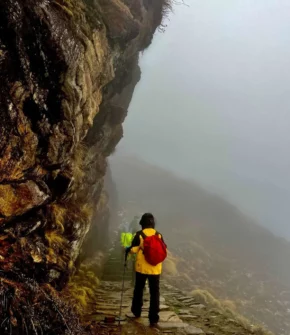
- Summer Season (June–July – August): The monsoon or summer season is the least popular time for trekking in Nepal due to heavy downpours and an increased risk of leeches, especially in forested areas along trails like Mardi Himal. Trekkers are advised to wear long trousers tucked in and carry leech or mosquito repellent spray for protection. Despite the challenges, this season can be rewarding for alpine flower researchers, as the landscapes bloom with diverse flora unique to the monsoon months.
Note: The best time to trek to Annapurna Base Camp is in spring (March to May) and autumn (September to November). These seasons offer stable weather, clear mountain views, and pleasant temperatures, creating perfect conditions for scenic hikes and breathtaking landscapes. With blooming rhododendrons in spring and crisp skies in autumn, both seasons ensure a comfortable journey and an unforgettable Himalayan adventure.
Meals on the Annapurna Base Camp Trek
-
Breakfast on the Annapurna Base Camp Trek
Start your trekking day with a hearty breakfast served at the teahouses. You’ll find a mix of local and international options to fuel your journey. Popular choices include Tibetan bread, chapati, porridge, muesli, and pancakes. You can also enjoy eggs cooked to your liking-boiled, scrambled, or fried- as well as French toast, cornflakes, and hash browns. To warm up in the chilly morning air, hot beverages like tea, coffee, and hot chocolate are readily available.
-
Lunch During the Trek to Annapurna Base Camp
Lunch is usually enjoyed at teahouses along the trail as you move from one destination to the next. Meals are freshly prepared and offer a variety of tastes. You can choose from traditional Nepali dal bhat (rice and lentils), thukpa (Tibetan noodle soup), and momos (dumplings) or go for international dishes like pasta, macaroni, spring rolls, sandwiches, and burgers. Some places even serve yak steak and Sherpa stew, giving you a taste of the local mountain cuisine.
After a day of trekking, dinner is served at the teahouse where you spend the night. The menus are similar to lunch but offer more variety and comfort food to help you refuel and relax. Common dinner options include dal bhat, thukpa, momos, pasta, chapati, curry with rice, vegetable dishes, soups, and even pizza. You’ll also find warm drinks, desserts, and hearty meals like Sherpa stew and yak steak. It’s the perfect way to end the day and recharge for the next leg of your adventure.
Accommodation on the Annapurna Base Camp Trek
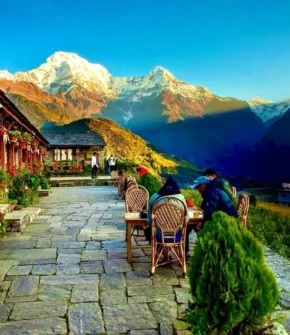
The Annapurna Base Camp Trek is one of the most popular trekking routes in Nepal, and you won’t need to worry about carrying tents. The trail is well-equipped with a network of teahouses and trekking lodges that offer basic but comfortable accommodation. During your 13-day journey, you’ll stay at the best available teahouses selected by your trekking company to ensure a clean and cozy experience after a long day of hiking.
Most rooms are based on twin-sharing and feature simple amenities such as wooden beds, clean mattresses, pillows, warm blankets, and,in some places, attached bathrooms. While attached bathrooms can be found at lower elevations, they may not be available in higher-altitude villages. However, all accommodations are clean, safe, and designed to meet the needs of trekkers.
If you prefer more privacy, single rooms can be requested at most stops along the route, especially at lower altitudes and in cities like Kathmandu and Pokhara. However, it might be difficult to find single rooms in higher locations like Deurali and Annapurna Base Camp due to limited space and high demand during peak trekking seasons. Regardless, your stay in the Himalayas will be a unique and memorable part of your adventure.
Annapurna Base Camp Trek Difficulty
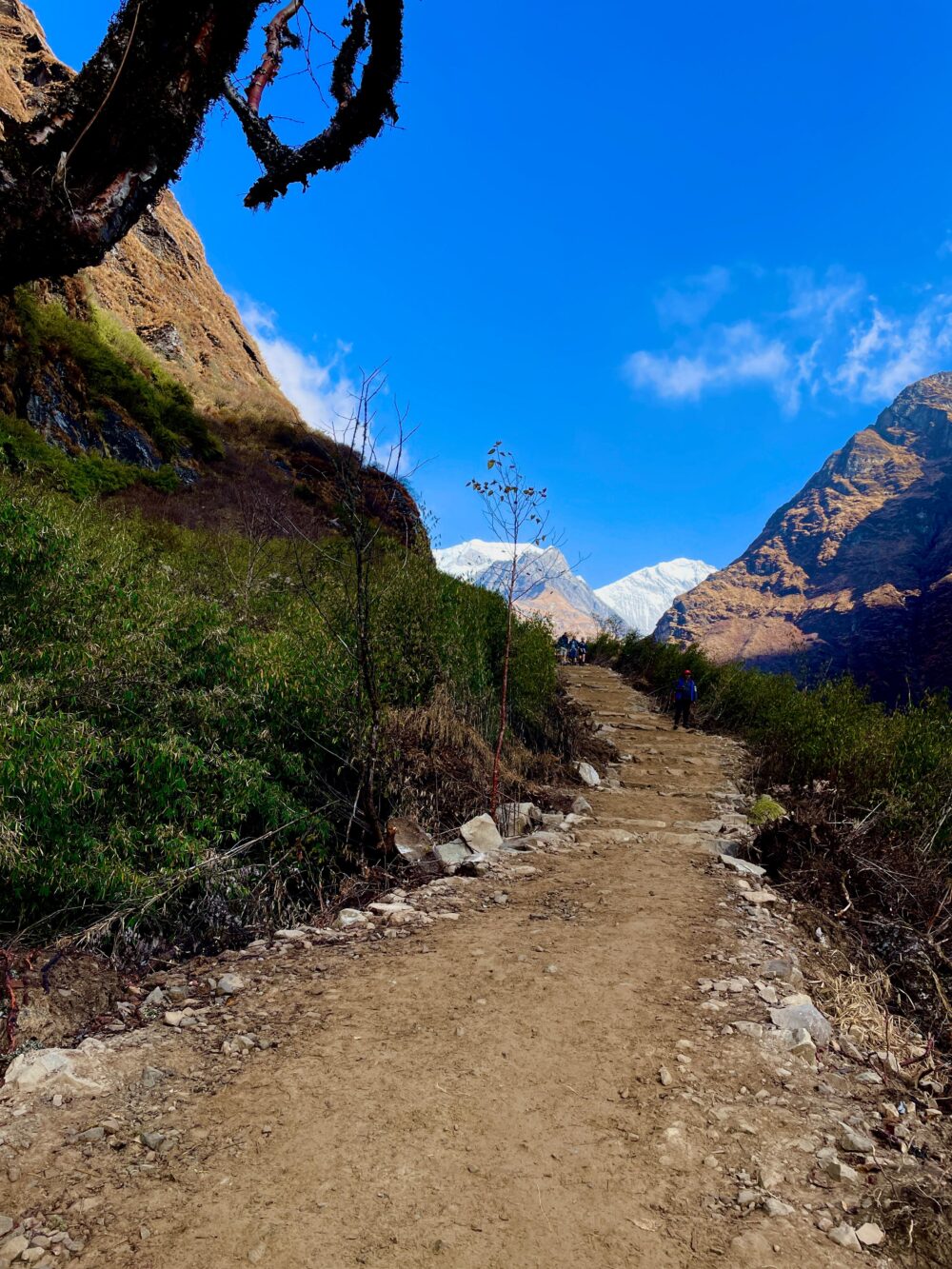
The Annapurna Base Camp Trek is considered a moderate trek, suitable for trekkers of all ages with a basic level of fitness. You don’t need advanced experience, just good health, patience, and a positive mindset. The trail includes stone steps, rocky paths, and daily walks of 5 to 6 hours, but the gradual ascent helps with acclimatization.
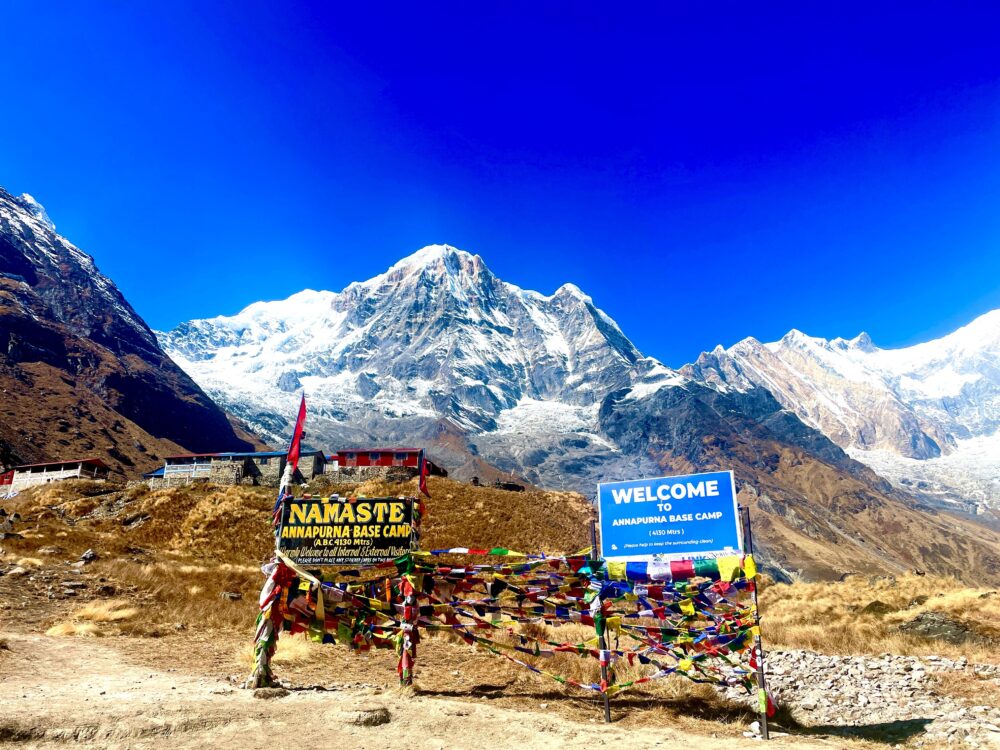
Trekking via Ghorepani gives your body time to adjust to the altitude, with the highest point reaching 4,130 meters. Families, beginners, and even children can enjoy this journey through nature with proper preparation. Those with trekking experience will find it even easier and more rewarding.
Travel Insurance for Annapurna Base Camp trek
Travel insurance is essential for the 13-day Annapurna Base Camp Trek, which reaches an altitude of 4,130 meters and involves potential risks like altitude sickness or landslides. All trekkers must provide Dream Paradise with proof of comprehensive travel insurance before starting the trek. The policy should cover medical treatment, emergency repatriation, and high-altitude helicopter rescue. In case of emergencies, we will use your insurance details to ensure a quick and safe evacuation. Please ensure your policy covers all medical and rescue costs up to the highest point of the trek. Recommended providers include World Nomads, IMG Global, and SafetyWing.
High-altitude sickness on Annapurna Base Camp Trek
Altitude sickness, also known as acute mountain sickness, can occur during the Annapurna Base Camp Trek as the oxygen level drops above 3,000 meters. Common symptoms include headache, nausea, dizziness, fatigue, shortness of breath, and loss of appetite. To prevent altitude sickness during the trek, drink plenty of water, avoid alcohol, and eat nutritious meals. Walk slowly and give your body time to adjust by acclimatizing properly before going higher. Carry Diamox, a recommended medicine for altitude sickness. If symptoms appear, rest or descend immediately. Staying clean and maintaining personal hygiene can also help reduce the risk of getting sick at high altitudes.
Trek Packing list for Annapurna Base Camp
For a successful Annapurna Base Camp Trek, packing the right gear is essential. Make sure to bring a quality sleeping bag, sturdy high-mountain trekking boots, trekking poles, a duffel bag, and warm, layered clothing suited for changing weather. Don’t forget thermal socks, gloves, a hat, UV-protection sunglasses, and sunscreen. Lightweight, comfortable clothing is ideal for high-altitude trekking. Important documents like permits, ID, and insurance should be kept handy. Additional useful items include a headlamp, refillable water bottles, water purification tablets, basic first aid, energy snacks, toiletries, and a quick-dry towel. Pack smart to enjoy a safe and comfortable Himalayan adventure.
Add-ons & Options for Annapurna Base Camp Trek
Enhance your Annapurna Base Camp Trek with Dream Paradise through a range of exclusive and practical add-ons that make your journey more comfortable and memorable.
-
Kathmandu to Pokhara Flight—USD 105: Save time with a scenic flight from Kathmandu to Pokhara, including airport transfers.
-
Pokhara to Kathmandu Flight—USD 105: Enjoy a quick and easy return flight to Kathmandu, with transportation to the airport included.
-
Extra Night in Kathmandu or Pokhara (Double Room)—USD 40: Extend your stay with a comfortable double room for more time to explore.
-
Extra Night in Kathmandu or Pokhara (Single Room) – USD 35: Need solo space? Add a night in a single room to relax or continue your adventure.
These add-ons are designed to give you flexibility, comfort, and convenience on your Himalayan journey. Make your Annapurna Base Camp Trek truly unforgettable!
Note: This ABC Trek package already includes one porter for every two trekkers to ensure comfort and ease during your journey. If you prefer to trek without porter support, we can reduce the package cost accordingly. This flexible option allows you to customize your trip based on your trekking style, budget, and comfort level.





 Write a Review